Join our mailing list! Simon ❤ Indies is full of valuable information for indie booksellers and buyers (both Children's and Adult), including:
- Publishing and author updates
- Behind-the-scenes looks into Simon & Schuster
- Movie/T.V. adaptations
- ARC giveaways
- Social media trends, assets, and more!
SIGN UP FOR THE INDEPENDENT BOOKSELLER NEWSLETTER
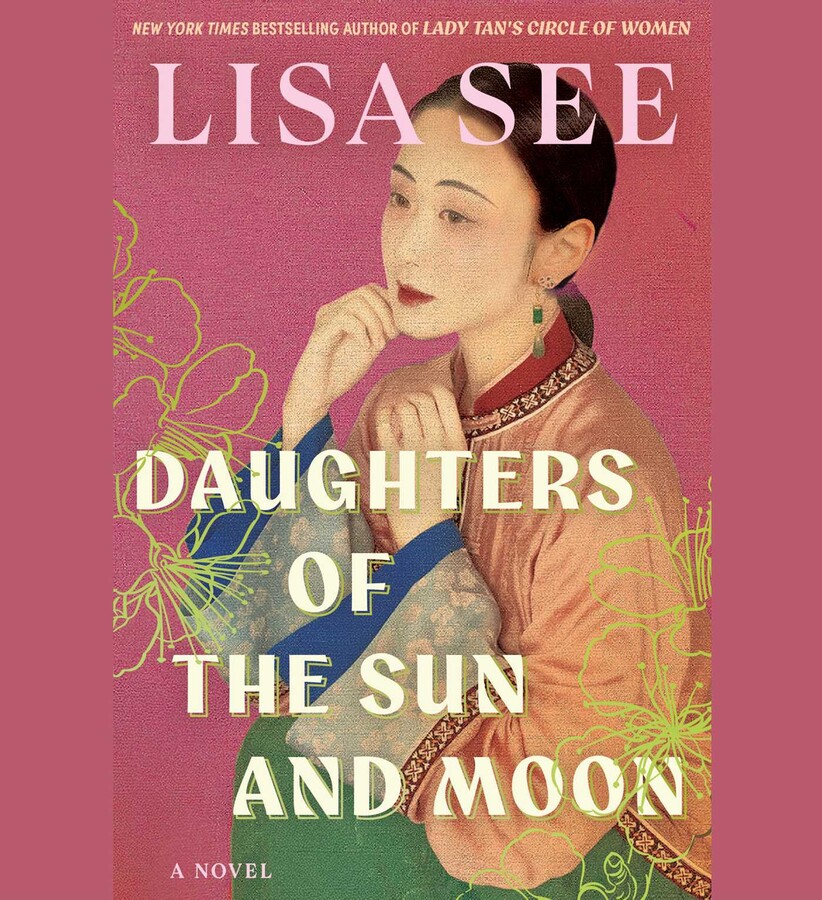
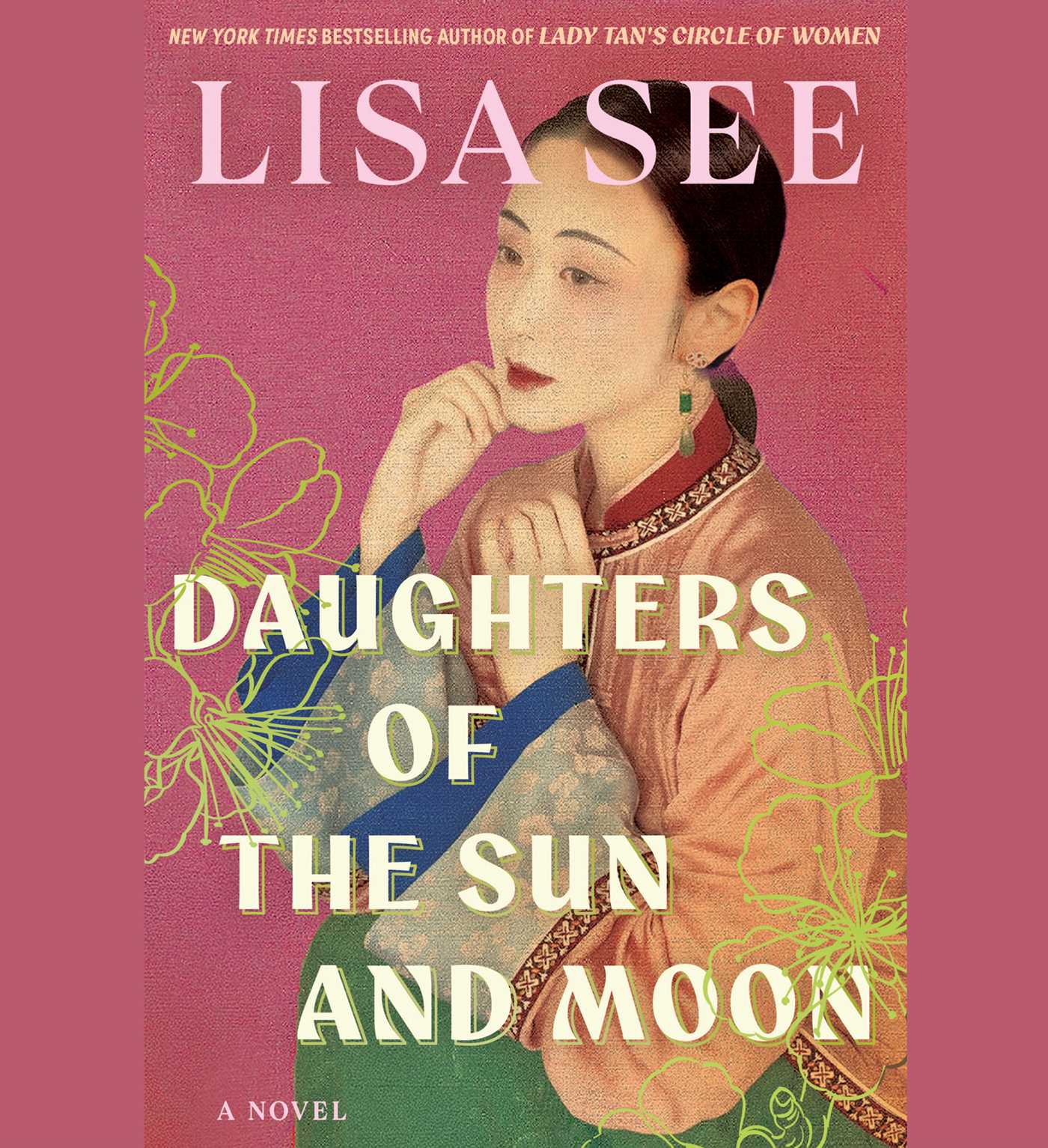
Daughters of the Sun and Moon Lisa See
Topics and Questions for Discussion
The book begins with a newspaper excerpt from the
Los Angeles Gazette that immediately reveals the deep-rooted racism toward Chinese individuals in California at the time of the novel. How does this help set up the story, and what purpose do the excerpts serve as they continue to appear at the beginning of each of the book’s five parts?
Within the first chapter, we discover the importance of a persons’s Chinese zodiac sign and how the year they were born in contains characteristics that are intrinsic and innate to who they are. In your group, discuss each person’s Chinese zodiac sign and whether, like Dove, they “carry within [themselves] the qualities of that creature.”
Dove is described in the author’s note as “a young wife, seen in the present as an object but from afar,” and she’s the only character whose story is told in the third person. Why do you think it was important to Lisa that Petal’s and Moon’s stories be told actively/reflectively through the first person, but Dove’s story is told from afar? (You might consider the kidnapping, when she is moved around like a package.)
Each part begins with lines from the philosopher and poet Lao Tzu. What do you think Lisa intended for the reader to take away from these words?
Moon writes: “Dove wanted to love and be loved, Petal craved freedom, and I sought justice. But I could be wrong. Maybe I’m the one who longed for love, while Petal looked for justice, and Dove needed to find freedom” (page 25). Could there be a third way to see the women—that Dove wanted justice, Petal wanted love, and Moon wanted freedom?
Sex is described in different ways: “the husband-wife thing,” “bed business,” and “clouds and rain.” Who uses which term, and does that change over time?
Discuss some of the aphorisms about women: “
Noodles are not real food, and women are not real human beings” (page 43). “
An educated woman is a worthless woman” (page 51). “
Let three women sit together and disaster will fall within three days” (page 72). “
A woman without a husband is like a house without a roof beam” (page 80) And that’s just in the first eighty pages! What are some others in the novel, and what’s your reaction to them? In what ways do Moon, Petal, and Dove adhere to or totally ignore these strictures about women?
How is the English language learned or not learned by the characters in the novel? What opportunities does knowing English give? How do we see this today?
Discuss the friendship that develops between Moon, Petal, and Dove. When do you think true friendship forms? What do each of them gain from the other two? How does their connection change the trajectory of their lives?
Dove has bound feet, Petal’s feet were never bound, and Moon has a deformed foot from an infection when she was young. How do feet serve as a symbol for wealth and class in the novel? What are some ways today that women alter their appearance to signify these same social factors?
On page 164, Moon tells Petal, “
Our greatest glory is not in never falling but in rising every time we fall.” What is Moon trying to tell Petal? How might this aphorism apply to other characters in the novel?
Newspaper accounts of the day reveal that Doctor Tong gave his wife a white poodle, and that it was one of the survivors—although injured—of the Night of Horrors. Moon wonders where her husband got the puppy. She even uses this question as a conversation starter at the New Year’s party at Dove’s apartment (page 181). This question fascinated Lisa from the first moment she read about the dog. How do
you think a white poodle got to Los Angeles in 1870?
In the novel, the Four Great Beauties are held up as paragons of womanhood. What is beauty? How do Moon, Petal, and Dove see themselves? What about Silver Shimmer? How do others see these women? Does this change over the course of the novel?
Discuss the women who work in the Midnight Garden. Did your opinion of them change as you read the novel? What are your thoughts about Auntie Fong? How is the second group of women who come to work in the Midnight Garden the same or different from the first group?
Dove, Moon, and Petal each has a gift or talent. What are they? How do these talents help them and/or help others?
Enhance Your Book Club
Host a tea tasting for your book club. Bana Tea Company has put together a package featuring the special flowering tea that Petal serves her customers, a white-dew Shoumei tea that’s Moon’s favorite, and the Keemun tea that Dove pours for her husband. You can find the package at
www.BanaTeaCompany.com If you live in Los Angeles, take a walking tour of the sites in the novel. If you live elsewhere, you can watch a video tour of the massacre sites, which you will find at
www.1871Memorial.org Visit “Step Inside
Daughters of the Sun and Moon” on Lisa’s website
www.LisaSee.com to see photos, videos, and more about the people, places, customs, and traditions that inspired the book.