Hilton Als, The New Yorker, 1995
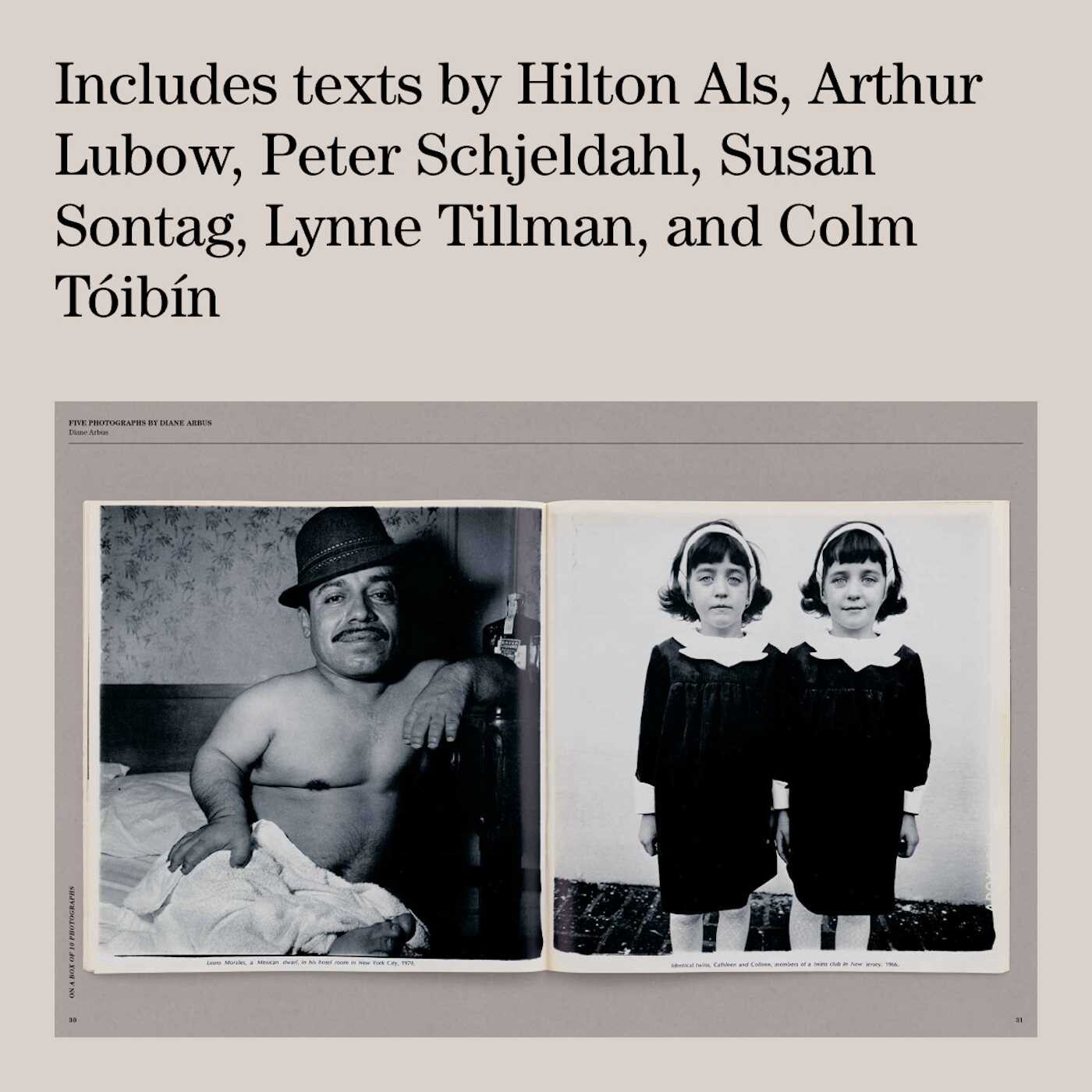
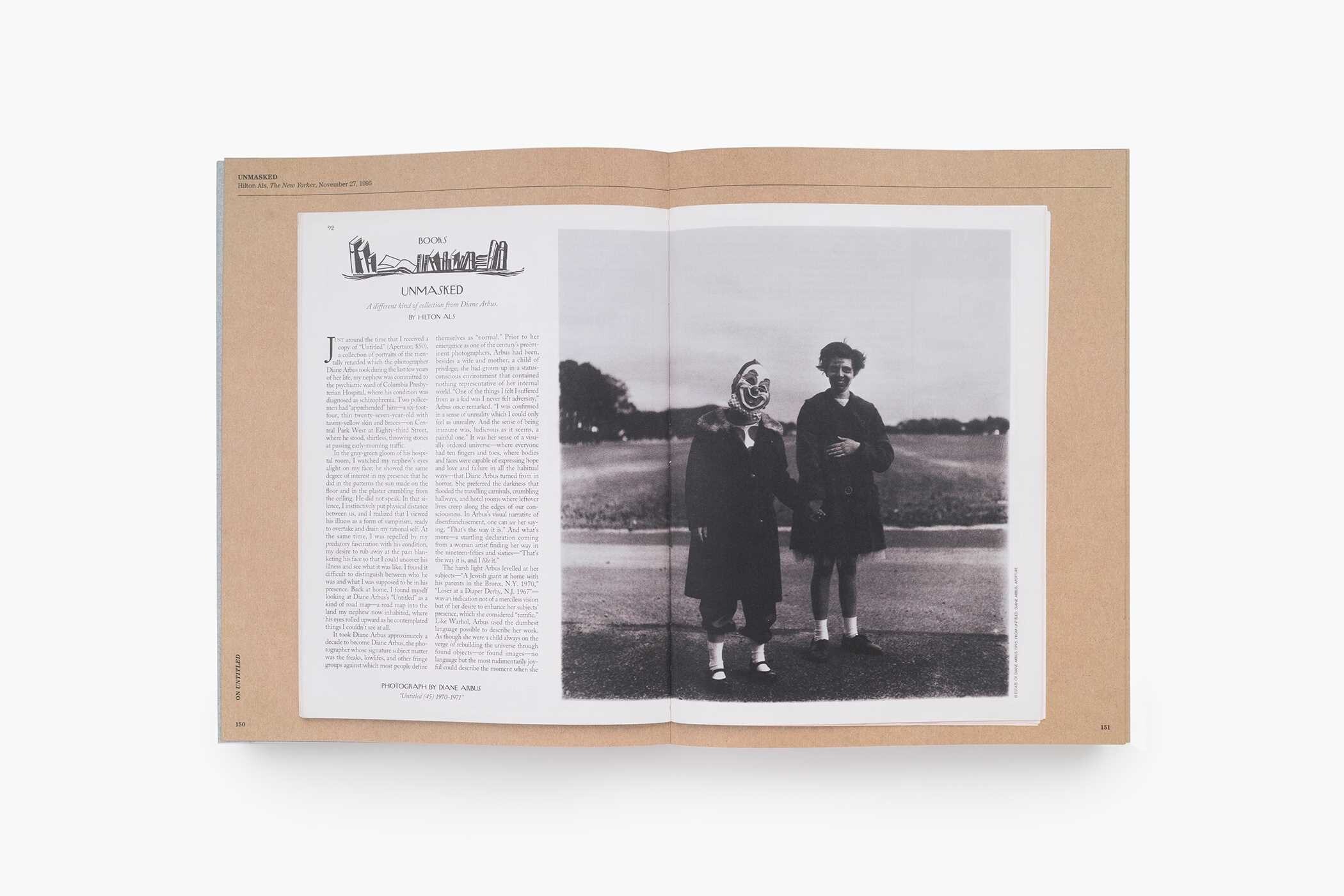
“The harsh light Arbus leveled at her subjects—‘A Jewish giant at home with his parents in the Bronx, N.Y. 1970,’ ‘Loser at a Diaper Derby, N.J. 1967’—was an indication not of a merciless vision but of her desire to enhance her subjects’ presence, which she considered ‘terrific.’ Like [Andy] Warhol, Arbus used the dumbest language possible to describe her work. As though she were a child always on the verge of rebuilding the universe through found objects—or found images—no language but the most rudimentarily joyful could describe the moment when she happened upon the signposts leading toward her self-expression.”
Cindy Nemser, The Feminist Art Journal, 1973
“She makes us squirm, twist, avert our eyes, sneak a look back, giggle, and ultimately convince ourselves that our state is infinitely superior to the one that confronts us in the black and white two-dimensional image before us.”
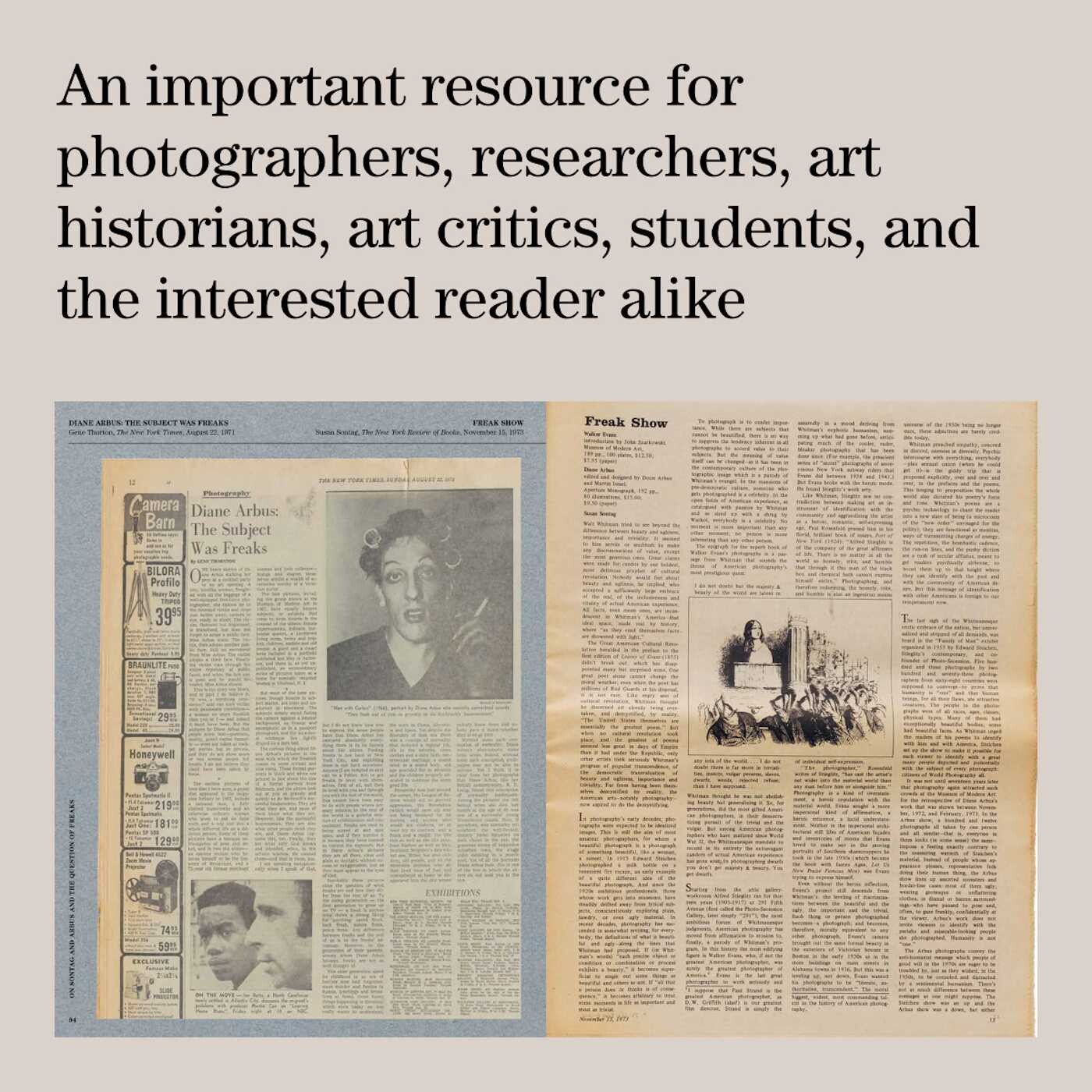
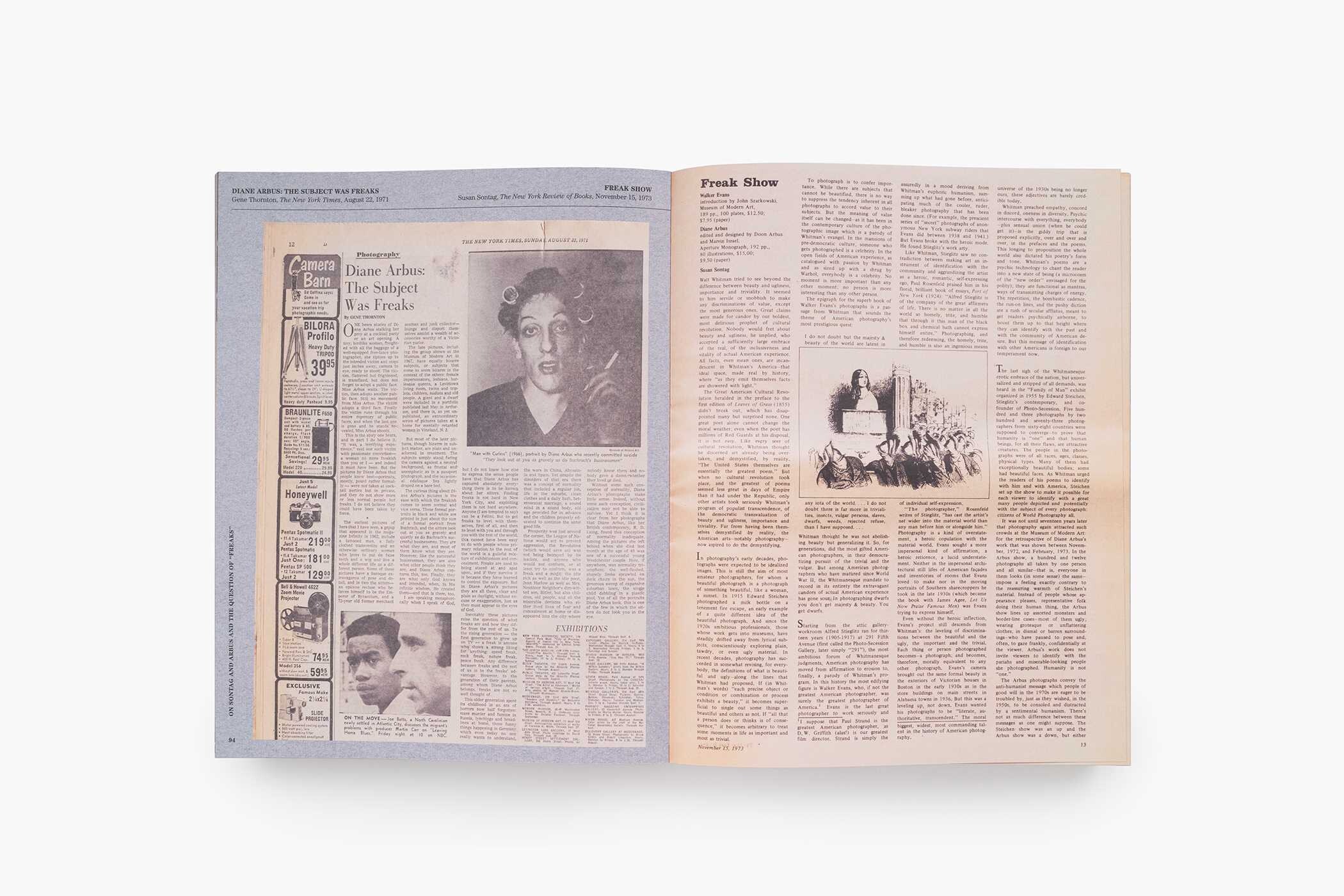
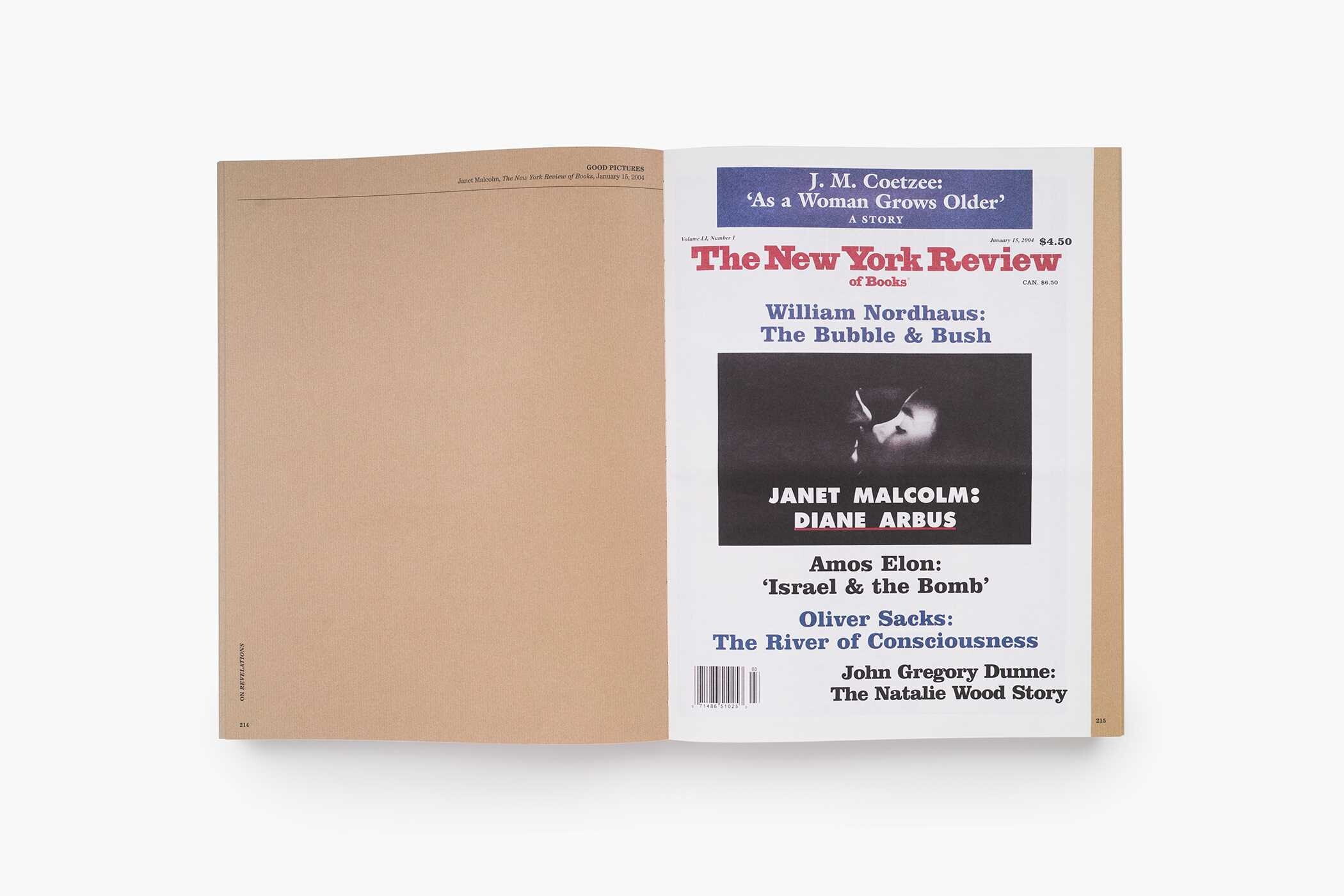
Susan Sontag, The New York Review of Books, 1973
“Arbus’s work shows people who are pathetic, pitiable, as well as horrible, repulsive, but it does not arouse any compassionate feelings. Nevertheless, despite this evident coolness of tone, the photographs have been scoring moral points all along with critics. For what might be judged as their dissociated and naïve point of view, the photographs have been praised for their candor and for an unsentimental empathy with their subjects. What is actually their aggressiveness toward the public has been turned into a moral accomplishment: that the photographs don’t allow the viewer any distance from the subject.”
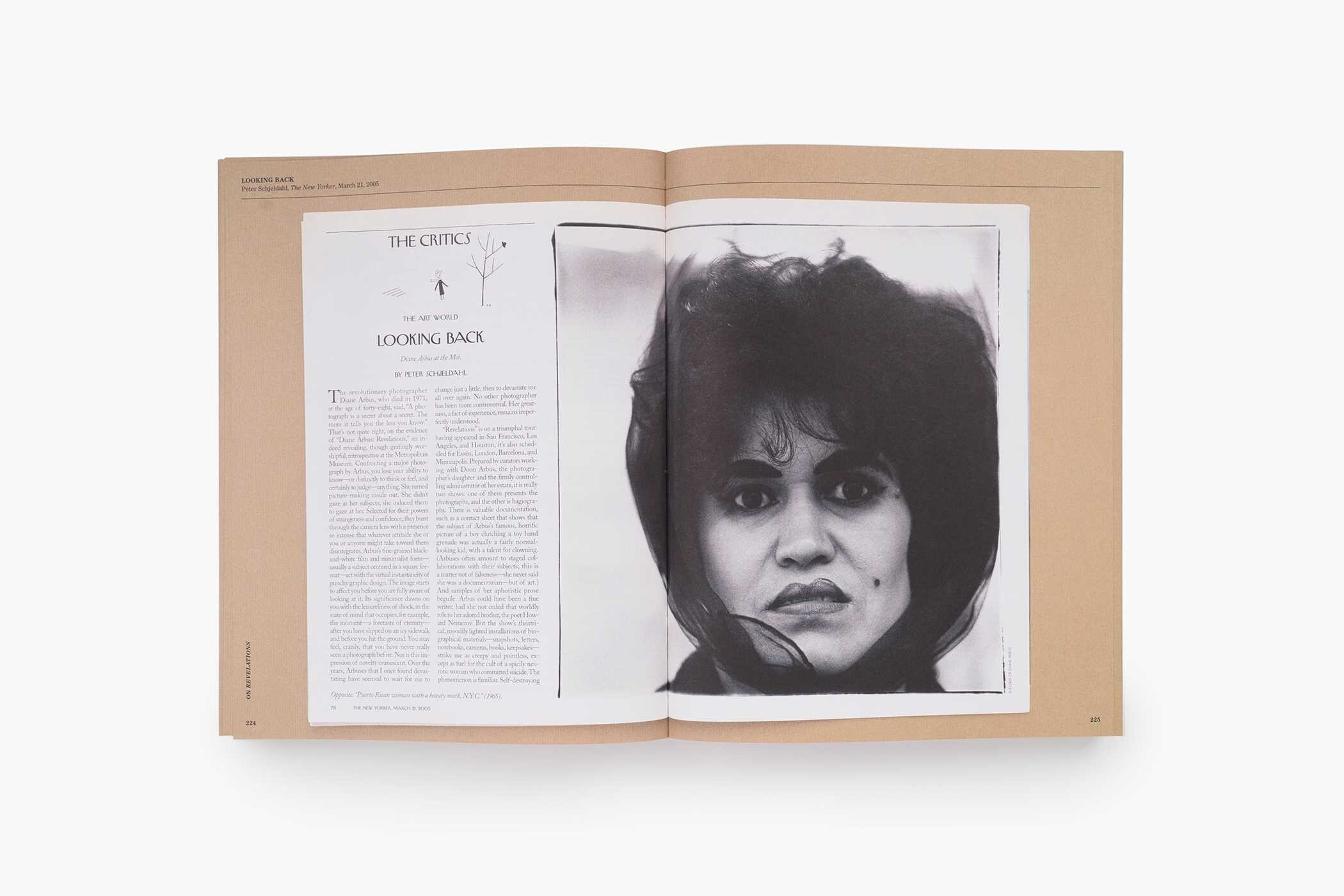
Peter Schjeldahl, The New Yorker, 2005
“Sontag’s notorious attack on Arbus, in an essay from 1973 that became the linchpin of her book ‘On Photography’ (1977), passed one test of great criticism. It asked the right question—about photography’s claim to be a full-fledged and legitimate art—at the right time, when Arbus’s work had advanced that claim with unprecedented force. Otherwise, the essay is an exercise in aesthetic insensibility, eschewing description of the art for aspersions, often pithy, on the artist’s ethics. ‘Arbus’s interest in freaks expresses a desire to violate her own innocence,’ Sontag wrote. That’s probably right, but it’s incidental to photographs that transcend the interest and desire of their maker and, in the process, shatter the idea of ‘freaks’ as a stable category of experience. Sontag rushed to rescue the idea.
“‘In photographing dwarfs, you don’t get majesty and beauty,’ she insisted. ‘You get dwarfs.’ She noted with bemusement that in Arbus’s pictures people who are ‘pathetic, pitiable, as well as repulsive’ look ‘cheerful, self-accepting, matter-of-fact.’ She wondered, ‘Do they know how grotesque they are? It seems as if they don’t.’ It’s an interesting complaint, suggesting that people who look or behave in unusual ways merit sympathy from the rest of us only if they visibly assent to our disgust with them. Saying such things shows how far Sontag was willing to go in a campaign that aimed, beyond Arbus, at photography itself.”
Hilton Kramer, The New York Times, 1972
“The power of these pictures does not derive from their subject matter alone. It derives in equal degree from the style Miss Arbus developed to deal with them. This style, which lavishes an extraordinary candor and sympathy on her subjects, is almost an antistyle. It is the complete opposite of the kind of photographic vision that aspires to ‘catch’ a split-second moment of glimpsed experience and ‘frame’ it forever in a perfect composition.”
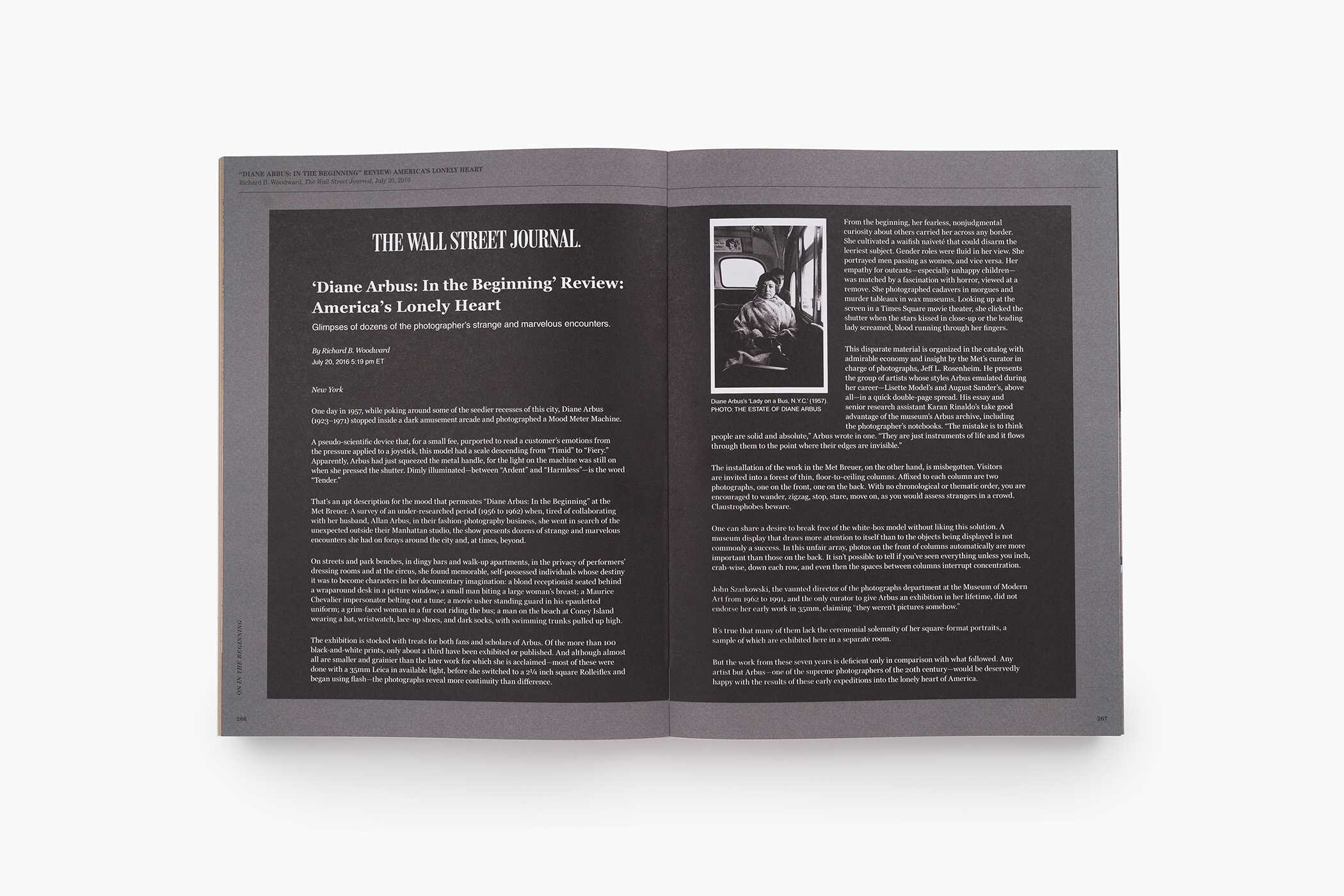
Holland Cotter, The New York Times, 2016
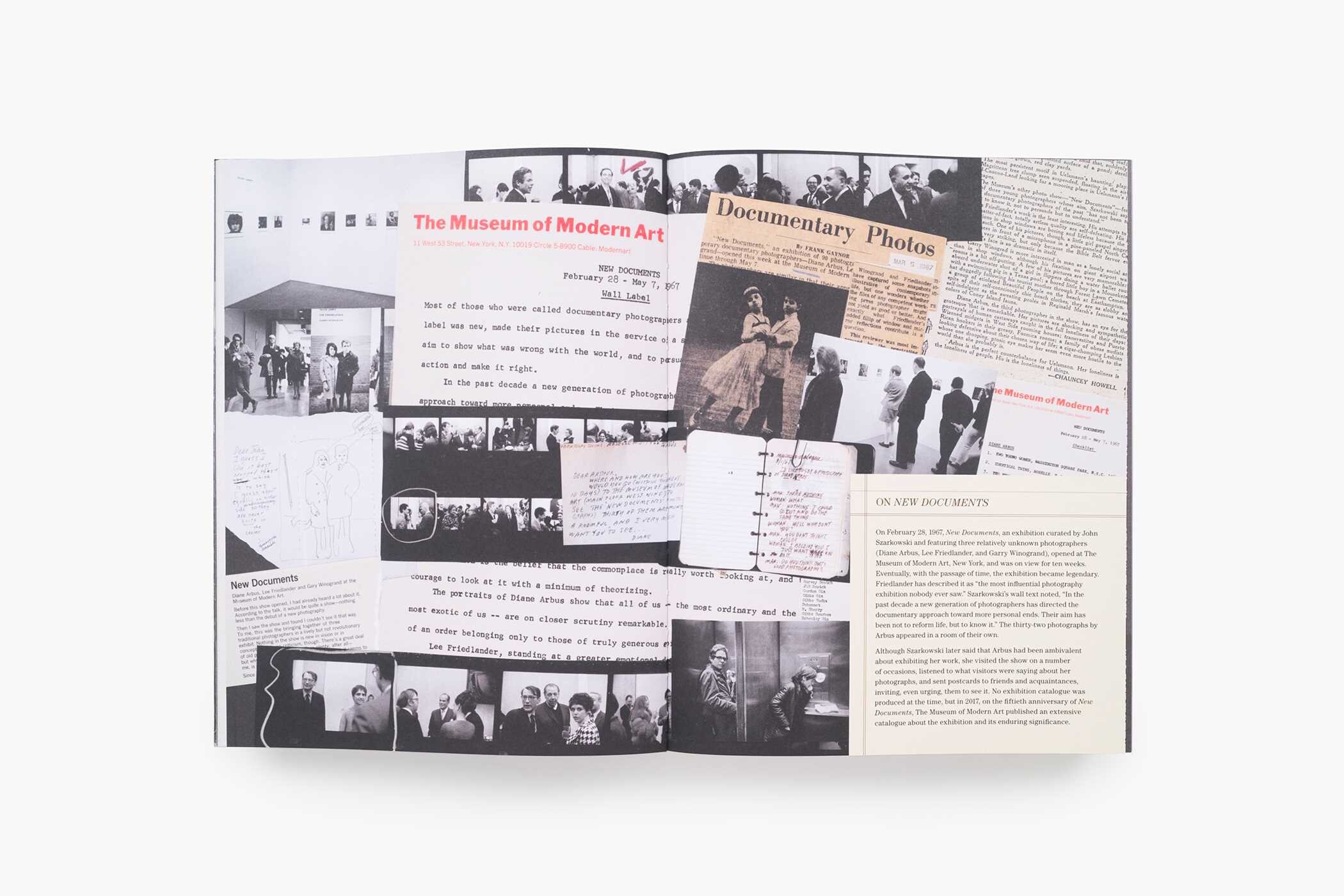
“Street photography was the advanced mode of the day, and practitioners like Lee Friedlander, William Klein, Helen Levitt and Garry Winogrand all claimed New York City as their turf. So did Lisette Model, a Viennese émigré with whom Arbus studied briefly. Ms. Model didn’t give her student much formal advice. Instead, she urged her to ease away from the stance of objectivity then considered requisite for serious photography and instead establish emotional relationships with her subjects, and see where that would take her. For Arbus, the advice was heaven-sent. It gave her permission to be the artist she was ready to be.”
Germaine Greer, The Guardian, 2005
“What [Arbus’s] work does not show is compassion, which is something to be grateful for. If I’d thought Arbus felt compassion for me, I’d have socked her.”