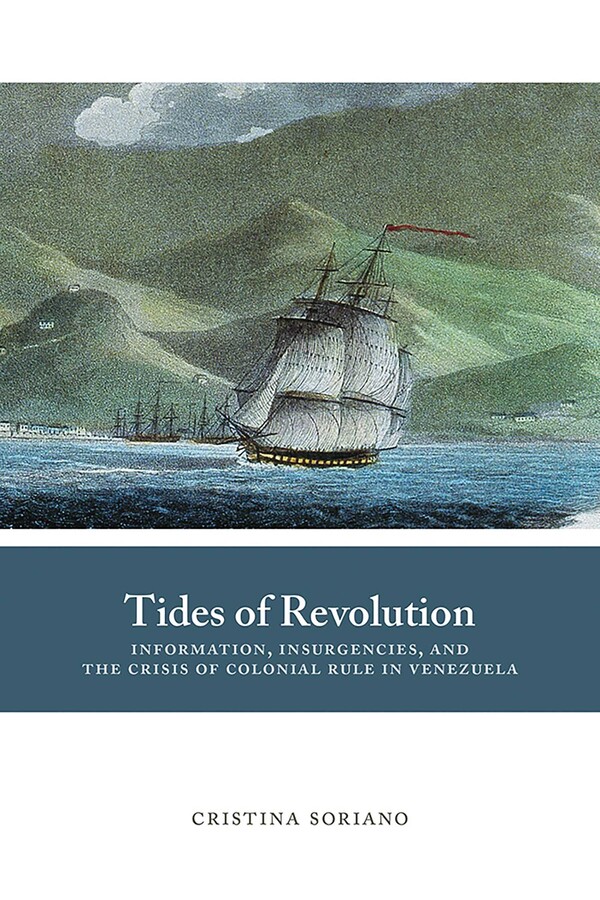
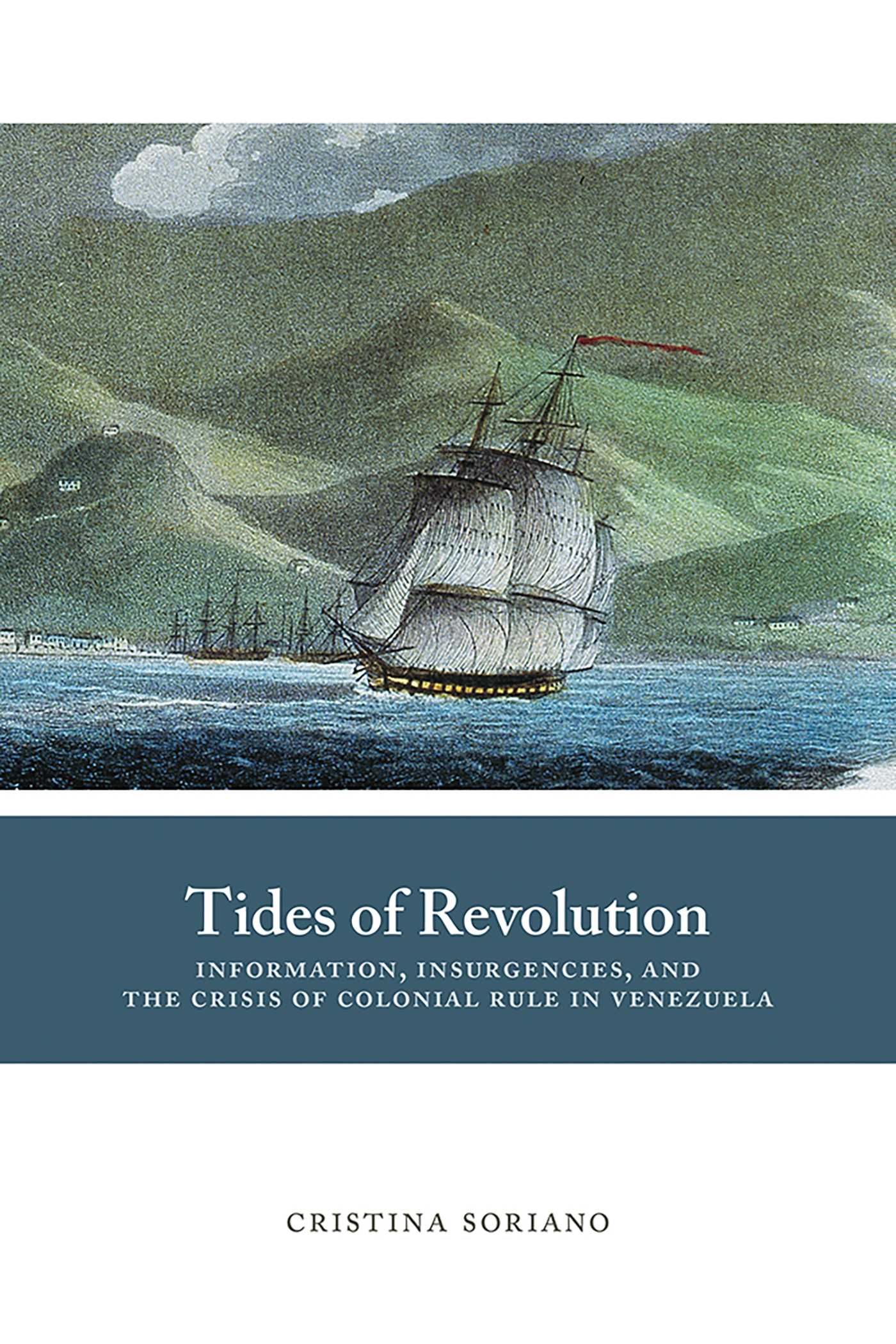
About The Book

Winner of the esteemed Bolton-Johnson Prize for Latin American History.

Latin America’s economic performance is often depicted as a long sequence of repeated failures, including its contribution to global financial crises as well as its slow growth and intractable inequalities. Its experience in the twenty-first century, however, reveals considerable and underappreciated successes. Understanding those successes—as well as setbacks—is critical to understanding both the region’s prospects and the rapidly changing global economic order.

Jeff Dayton-Johnson’s Understanding Latin America’s Economy in the Twenty-First Century provides a comprehensive, comparative, and region-wide perspective on Latin American economic development that spans the last quarter century.

The book is organized in three parts. The first introduces and summarizes Latin America’s economic history over the long term (the past five centuries) and the immediate past (the last half of the twentieth century). The second analyzes economic growth during the twenty-first century, emphasizing the role of China’s roaring demand for Latin American commodity exports. The third part assesses three fundamental characteristics of Latin American economic development in this century: the pros and cons of the commodity boom, the reasons behind the surprising decline in economic inequality, and the emergence of left-leaning and center-right governments that opted for pragmatic and orthodox macro policies mixed with innovative antipoverty programs.

This is an economics book for specialists and non-specialists alike, leaning heavily on economic concepts and models while introducing and explaining its subject for a broad readership. It is aimed at undergraduate and masters level students in Latin American studies, international relations, development studies, political science, economics, and other social sciences as well as readers beyond academia who are eager to understand Latin America and the global economy.

About The Author

Cristina Soriano is an assistant professor of Latin American history at Villanova University.

Product Details

  • Publisher: UNM Press (December 1, 2018)
  • Length: 336 pages
  • ISBN13: 9780826359865

Browse Related Books

Raves and Reviews

Soriano demonstrates that coastal Venezuela suffered profound transformations in the wake of the French Revolution in the Caribbean. She thus recovers older narratives that had long connected the Latin American wars of independence to the wider late eighteenth-century Atlantic radical politics and texts.--Jorge Cañizares-Esguerra, Estudios Interdisciplinarios de América Latina

The book's major contribution (and argument) stems from late colonial Venezuela's apparent absence of 'formal centers of debate,' such as printing houses, literate societies, and bookshops. Using neglected Venezuelan, Spanish, and US sources such as contraband books, pasquinades, pamphlets, and songs, she [Cristina Soriano] reconstructs the development of what she terms 'semiliterate forms of knowledge,' including rumor, visual media, and orality.--Jesse Zarley, Latin American Research Review

The book's major contribution (and argument) stems from late colonial Venezuela's apparent absence of 'formal centers of debate,' such as printing houses, literate societies, and bookshops. Using neglected Venezuelan, Spanish, and US sources such as contraband books, pasquinades, pamphlets, and songs, she [Cristina Soriano] reconstructs the development of what she terms 'semiliterate forms of knowledge,' including rumor, visual media, and orality.--Jesse Zarley, Latin American Research Review

Cristina Soriano makes an innovative argument about the emergence of the public sphere in Latin America through a fascinating and groundbreaking study of media, culture, and political movements in late colonial Venezuela.--Edward P. Pompeian, Hispanic American Historical Review

Tides of Revolution constitutes an important contribution to the scarcity of research on information circulation in the Americas. One of Soriano's main merits is to document the relevance of multimedia sources in a territory without a printing press. She thus goes well beyond the more limited conception that privileges printed and written materials only.--Kevin Sedeño-Guillén, New Perspectives on the Eighteenth Century

Engaging and thought-provoking.
--H-LatAm
Resources and Downloads

High Resolution Images

BACK TO TOP