“Written in an admirably clear and accessible manner, the book can stand as an introduction to the Union mobilization effort as a whole… ’Tis Not Our War usefully questions the overemphasis on patriotic volunteerism that continues to shape public understandings of the Union war effort.”
– The Wall Street Journal
“This work fills a real void in Civil War scholarship. It isn’t a revisionist history so much as a correction of the record, written with understanding and empathy.”
– Library Journal, Starred Review
“Taylor's 'Tis Not Our War is a fascinating look at the way everyday Americans saw their duty toward the country and its government, even at a time when its very existence was at stake. It's neither a celebration nor a shaming of those who didn't serve. Instead, it's an empathetic look at the country, its people and the cultural forces that shaped how a people really felt about fighting a war against themselves.”
– Military.com
“'Tis Not Our War: Avoiding Military Service in the Civil War North is a scholarly examination of why and how some men eligible for military service in the North did not enlist during the American Civil War… Extensive notes, a bibliography, and an index round out this thoughtful, heavily researched, and expertly presented study accessible to historians and lay readers alike. 'Tis Not Our War is a welcome and highly recommended addition to both personal and public library Civil War collections.”
– Midwest Book Review
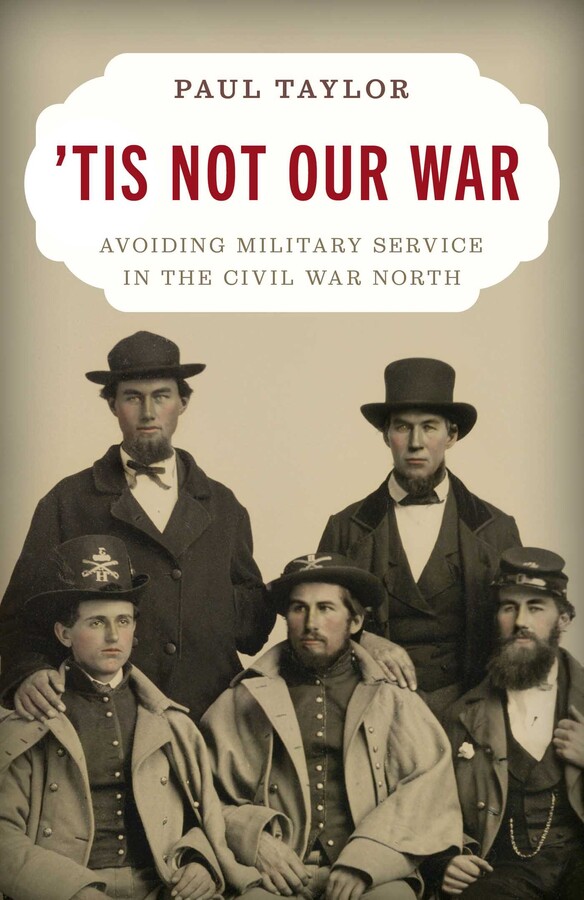
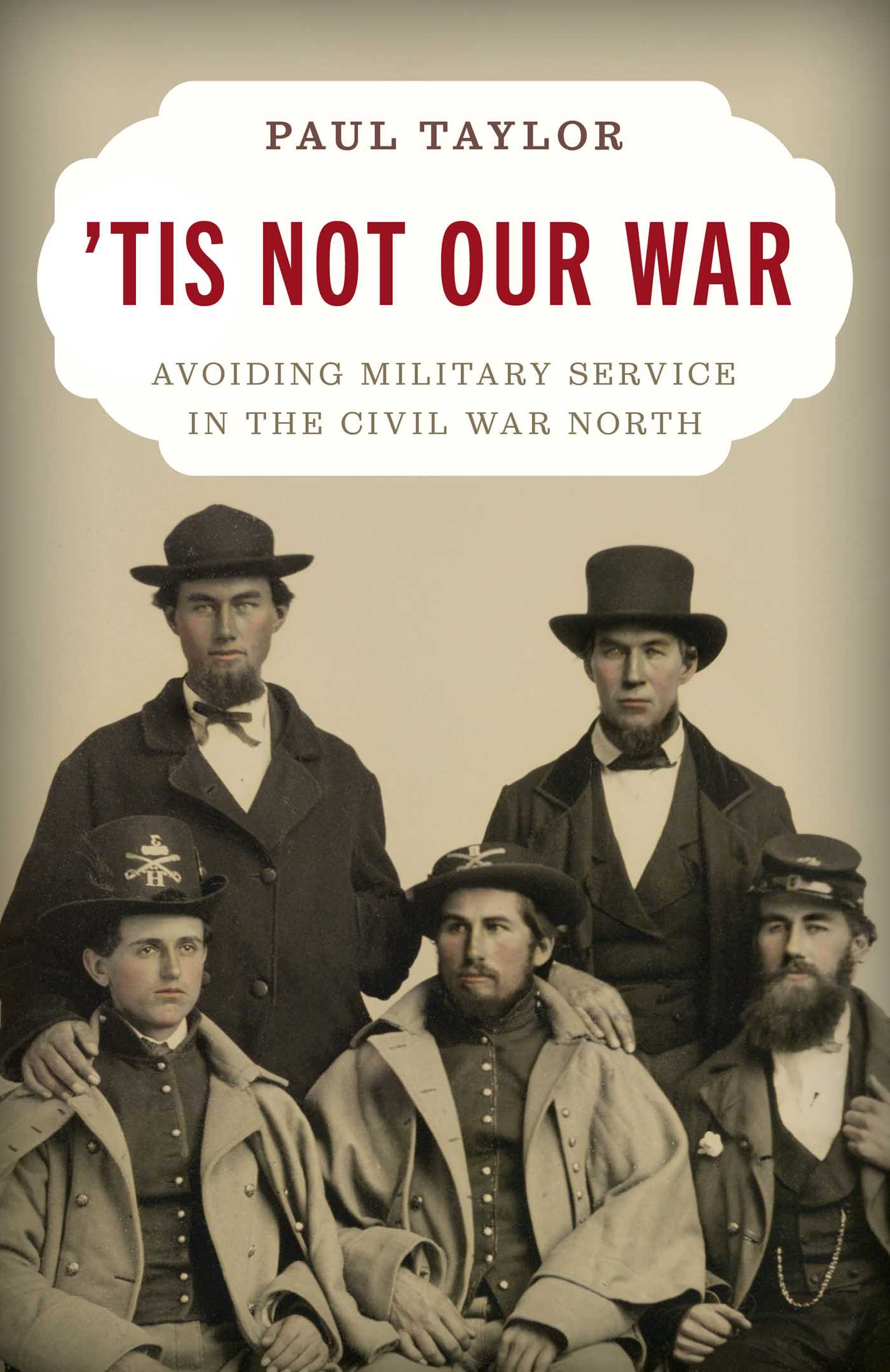
Opposition to military service is an important tradition in American history. Its mass expression was in the Civil War, when only a small fraction of men drafted by the Lincoln administration complied with the call to protect the republic. ‘Tis Not Our War explores the evolution in Northerners’ views of fighting, from military service as a patriotic opportunity to a form of forced labor not that different from the chattel slavery that, with great controversy, the Emancipation Proclamation declared as the Union’s target. The elaborate bounties and allowance for substitutes with which northern recruiters incentivized military-age men, the diverse ruses of which shirkers were capable, widespread anti-war racism, and exposure to mortal danger of provost marshals ordered to round up draft dodgers, in hindsight, and keeping in mind the Union’s goal to thwart secession and end slavery, now seems shocking. But as all good history does, ‘Tis Not Our War shows how a culture of disloyalty made sense to many Northerners in the moment.
– Dr. Timothy Mason Roberts, editor of "This Infernal War": The Civil War Letters of William and Jane Standard
“Paul Taylor’s Tis Not Our War examines the commitment on the part of the rank and file and the northern home front in their war against the Confederacy. Contrary to the popular perception that the United States remained largely unified throughout the war, Taylor reveals a deep level of apathy among the rank and file and tension among civilians between their notions of individual rights and civic obligation. This book reveals just how fragile the American democratic system really was and the challenges that needed to be surmounted on the road to destroying the slaveholders’ rebellion.”
– Kevin M. Levin, author of Searching for Black Confederates: The Civil War's Most Persistent Myth